The Ultimate Guide to Internet Radio Hosting: Launch Your Own Station Today
The realm of internet radio presents unique opportunities for aspiring broadcasters. This guide offers insights into the key aspects of launching a successful station. From picking the ideal software to interacting with an audience, every element is important. Understanding these elements can make the difference between a short-lived pursuit and a flourishing platform. As the field continues to grow, how can one guarantee their station stands out? The solutions are found here.
A Guide to Internet Radio: Overview and Its Core Benefits
Internet radio has transformed the landscape of audio broadcasting by providing a platform for diverse voices and content. Unlike traditional radio, which is often constrained by geographic limitations and regulatory frameworks, internet radio allows anyone with a connection to share their ideas, music, and stories globally. This ease of access cultivates a dynamic community of creators and listeners, giving rise to a diverse array of niche genres and formats.
The perks of internet radio reach further than diversity. It delivers adaptability in programming, empowering hosts to shape content suited to targeted audiences. Moreover, the lack of expensive licensing fees linked to conventional broadcasting can render it a more practical choice for emerging broadcasters. Internet radio additionally promotes interactivity, enabling listeners to interact with hosts live. Ultimately, this medium not only democratizes the broadcasting process but also enriches the audio landscape, making it a compelling choice for both creators and audiences.
Choosing Software for Your Internet Radio Station
Choosing the correct software can substantially impact the performance of an internet radio station. Numerous options are accessible, each tailored to different needs and budgets. Radio hosts must assess easy-to-use interfaces that enable efficient operation and management. Software that explore offers live streaming, automated playlists, and scheduling can elevate listener engagement and maintain a steady broadcast schedule.
In addition, integration with a range of audio formats and streaming protocols is key to attracting a larger audience. Several platforms feature built-in analytics capabilities, supplying useful details regarding listener demographics and content preferences, which can inform programming decisions.
Expense is also an important factor; some software solutions are free, while others require a subscription. At the end of the day, selecting the most suitable software demands a careful balance of functionality, usability, and financial limitations, allowing the station to function at its best while providing high-quality programming to its listeners.
Choosing the Best Equipment for Internet Radio
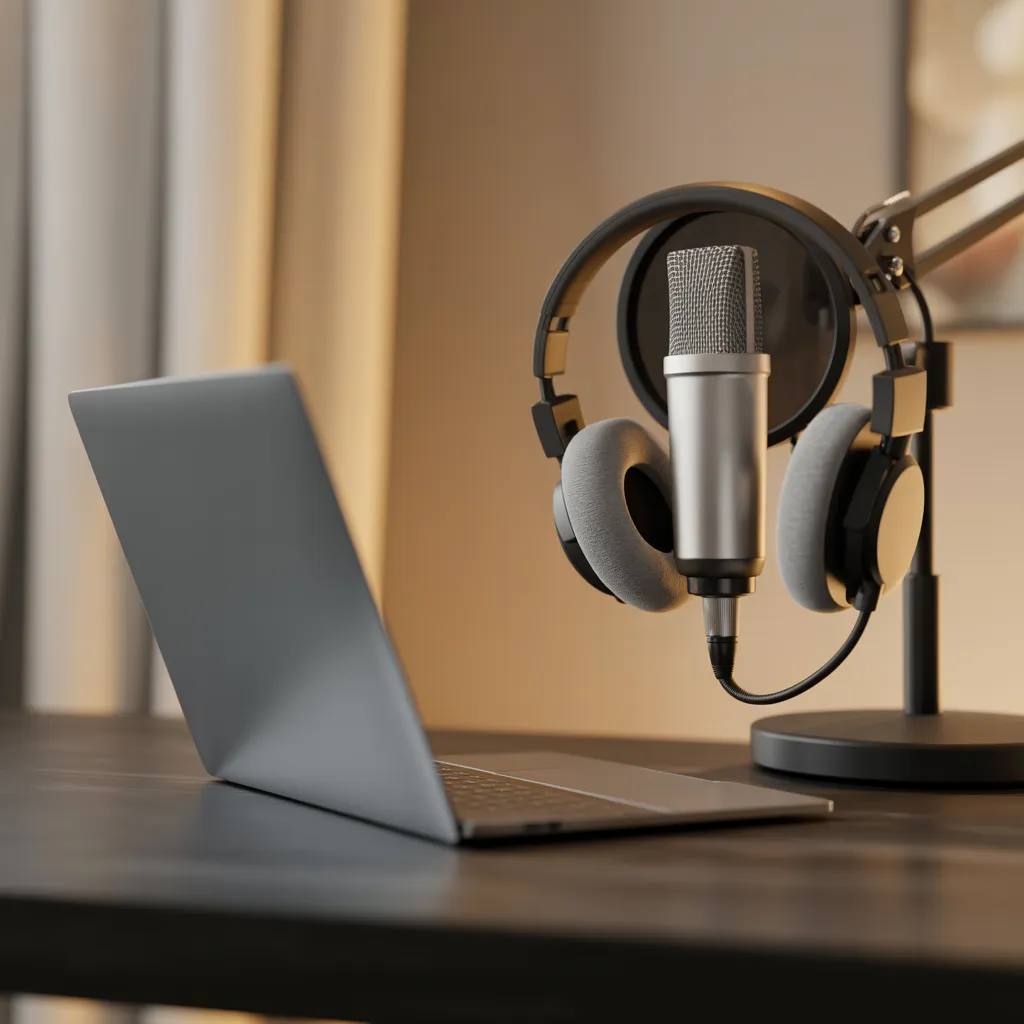
Picking the right equipment is vital for building a high-quality internet radio station. Key components include a reliable microphone, audio interface, and headphones. A professional-grade microphone, such as a condenser mic, records sound accurately, while an audio interface translates analog signals to digital. This provides high audio fidelity for streaming.
Headsets are critical for sound monitoring without feedback. Closed-back headphones are favored to prevent audio bleed during broadcasts. Additionally, a sturdy broadcast mixer can effectively manage various audio sources efficiently.
Investing in a dependable system with sufficient processing power and RAM is also critical, as it facilitates streaming software and sound processing operations.
Ultimately, including a sound dampening measure for the broadcast space can greatly elevate sound quality. By strategically picking each component, station operators can develop a smooth and immersive listener experience, establishing the basis for a prosperous digital radio broadcast.
Developing Captivating Content: Choosing Between Music, Talk, or Storytelling
What factors make content genuinely engaging for audiences? The decision between music, discussion, or storytelling notably shapes listener involvement. Music is capable of inspiring emotions and building a communal experience, engaging listeners with thoughtfully arranged playlists or live shows. Talk shows, on the other hand, foster connection through discussions on current events, interviews, and personal anecdotes, appealing to listeners seeking information and community.
Storytelling enchants by weaving narratives that resonate with human experiences, drawing audiences deep into the developing story. Every format demands its own distinct method; music requires deliberate choices and natural rhythm, spoken word calls for dynamic exchanges and broad perspectives, whereas storytelling flourishes through rich imagery and authentic characters.
In the end, the choice depends on the target audience's tastes and the station's identity. Achieving the perfect balance across these components can craft a rich auditory experience that encourages listeners to tune in again, elevating the broadcaster's overall appeal.
How to Reach Out and Increase Your Audience
Robust audience expansion tactics are critical for every online radio station seeking to broaden its audience. One fundamental approach is leveraging social media platforms to create buzz and attract listeners. By sharing engaging content, such as snippets of shows or behind-the-scenes glimpses, stations can cultivate interest and encourage shares among potential audiences.
Additionally, partnering with influencers or fellow content creators can bring the station to the attention of new demographics. Collaborative promotions, where all parties involved benefit, can significantly boost visibility.
Email marketing is another powerful tool; frequent newsletters can keep listeners in the loop about upcoming shows or special events. Getting involved in online forums and communities related to the station's niche can also help establish a loyal listener base.
Additionally making sure the broadcast is featured on well-known directories and applications boosts findability, helping fresh audiences locate it with ease. Combined these tactics drive meaningful audience development for every online radio station.
Connecting with Listeners: Key Interaction Strategies
What methods can internet radio stations use to build a genuine bond with their audience? Engaging listeners requires a multifaceted approach that fosters interaction. Broadcasters can take advantage of social media networks to stimulate instant responses, enabling listeners to voice their preferences and requests. Including live phone calls or audience messages throughout programming establishes an engaging environment, helping listeners feel appreciated.
Furthermore, hosting contests or giveaways can incentivize participation, while regular polls or surveys help tailor content to audience preferences. Tailored shout-outs can equally enrich the listener experience, ensuring listeners feel noticed and respected.
Additionally, designing specialized shows or features tailored to listener interests can significantly enhance audience engagement. Through consistently acknowledging audience responses and exhibiting adaptability, media stations can foster audience loyalty and trust. Above all, the essential factor lies in emphasizing audience interaction, turning inactive listeners into an engaged community that identifies with the station's vision.

Commonly Asked Questions
What Are the Legal Obligations for Launching an Internet Radio Station?
To establish an internet radio station, one needs to gather the appropriate licenses, such as performing rights and broadcasting permissions. Following copyright rules and regulations is essential to steer clear of legal problems and ensure smooth operation.
How Do I Successfully Monetize My Online Radio Station?
To effectively monetize an internet radio station, one can explore subscription models, sponsorships, merchandise sales, advertising, listener donations, and affiliate marketing. Diversifying revenue streams strengthens financial security and helps reach a wider listener base.
What Are the Top Practices for Preserving Audio Quality?
To maintain audio quality, it is important to use superior equipment, routinely monitor sound output, establish appropriate encoding settings, limit background noise, and carry out regular testing. Consistency in these practices considerably boosts the listener's experience.
Am I Allowed to Use Copyrighted Music on My Station?
Using copyrighted music on a station requires authorization from the rights holder or an official licensing arrangement. Failure to do so may result in legal repercussions, ranging from financial fines to the shutdown of the station.
How Regularly Should I Refresh My Content Schedule?
It is recommended to refresh content schedules on a weekly basis to preserve listener engagement and topicality. Consistent updates provide original and timely content, adjusting to the preferences of your audience, and guaranteeing the station stays dynamic and captivating over time.